


Why you shouldn’t declaw your cat—and what to do instead

Washington may soon become the seventh U.S. state to ban cat declawing. This legislative session, the Washington State Legislature is considering House Bill 1904, which would prohibit the practice statewide; currently, Tacoma is the only city in Washington to ban the practice.
This is wonderful news for Washington! Cat declawing is a cruel and inhumane practice that may have lasting repercussions on a cat’s health, wellbeing, and behavior. Though education about this issue has increased in recent years, some pet owners still use declawing as a means of controlling inappropriate scratching, unwittingly causing their cats years of pain and discomfort and exacerbating the behaviors they meant to stop.
Here’s why declawing is bad for your feline friend, and how to mitigate scratching without causing irreversible damage.
What is declawing?
Unlike human nails, which grow from the skin, cat claws grow from the bone. To declaw a cat, veterinarians must amputate the first joint of the toe bone. This mutilation makes it difficult or impossible for cats to perform normal and healthy feline behaviors such as scratching, jumping, or even walking.
What are the effects of declawing?
Declawing can cause cats lifelong pain, discomfort or irritation. Residual bone fragments, nail regrowth, inflammation or infection at the site of the amputation can create a “pebble in the shoe” sensation for cats. This sensation can become excruciatingly painful, causing cats to restrict their movement or adjust their gait in unnatural ways that may lead to additional problems such as arthritis.
Declawing can also lead to undesirable behavioral changes. For instance, declawed cats may experience severe pain while walking or digging in litter, causing them to eliminate outside of the litter box. Cats whose lack of claws leaves them feeling defenseless may resort to biting or become increasingly aggressive.
What are the alternatives to declawing?
Scratching, jumping and playing are all natural, instinctual behaviors in cats. Animals deserve the freedom to express normal behaviors; indeed, cats need to engage in these behaviors for their physical, mental and emotional wellbeing, but they can’t do so without their claws.
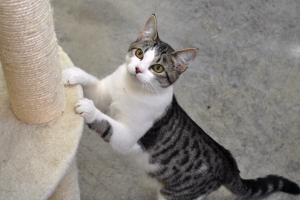
There are plenty of humane, paw-friendly ways to allow your cat to express these behaviors while discouraging inappropriate scratching. Make sure your cat has access to plenty of designated scratching surfaces throughout your living space. Scratching posts and pads come in a wide variety of designs, so it is easy to find ones that blend in with your decor. They also come in lots of different materials; let your cat test out different varieties to decide which surface they prefer.
If your cat continually scratches your furniture, you can protect it with furniture covers or scratch-deterrent sprays. Place a scratching pad or post near the affected furniture to give your cat an alternate surface to scratch in that location.
If you’re concerned about your cat scratching people or other pets in your home, take the time to learn their boundaries and preferences. Cats are individuals with unique likes and dislikes. Some are cuddle bugs, while others prefer not to be touched. Some cats enjoy being picked up, pet or snuggled, but strictly on their own terms. Respect your cat’s preferences, and make sure they have plenty of spots in your home where they can retreat to feel safe.
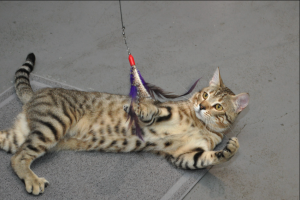
Cats also need consistent playtime to satisfy their instinct to hunt prey. Find toys that your cat likes and play with them regularly to provide an appropriate outlet for this instinct.
Your cat is entitled to a life free of pain, stress, and fear. Speak out against cat declawing, and support Washington House Bill 1904. Visit bit.ly/voteyes1904 to encourage your representatives to vote yes for cat wellness!
If you support the ban of cat declawing in our state and want others to support this bill, please visit The Paw Project for more information.
Source: The Paw Project


